

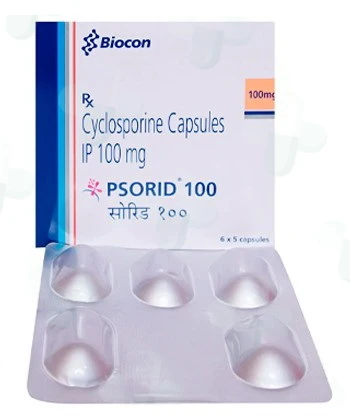
Cyclosporine

Cyclosporine is an immunosuppressant medication widely used to prevent organ rejection in patients receiving kidney, liver, and heart transplants. It works by decreasing the activity of the body’s immune system to allow the transplanted organ to function normally. This drug is also effective in treating severe, active rheumatoid arthritis and chronic dry eye disease. Cyclosporine helps manage various autoimmune conditions by modulating the immune response.
Extra 10% discount with coupon: EXTRA10
Each dosage option has its own packaging options.
Cyclosporine A closer look at immune modulation for transplants and autoimmune disorders
Welcome to an in-depth exploration of Cyclosporine, a remarkable medication that has revolutionized the treatment of various medical conditions requiring immune system modulation. For individuals seeking to manage autoimmune diseases or prevent organ rejection after transplantation, understanding the full scope of Cyclosporine is essential. This detailed guide aims to provide you with all the necessary information, from its mechanism of action to its diverse applications and how it can positively impact lives, offering a clearer path to wellness for our customers across the USA and beyond.
Cyclosporine stands as a cornerstone in modern medicine, offering hope and improved quality of life for countless patients. Its unique ability to selectively suppress immune responses, without causing complete immune system shutdown, makes it an invaluable tool. Whether you are considering this treatment for a chronic condition or as part of a post-transplant regimen, understanding the science behind *cyclosporine* and its proper use is paramount. We believe in empowering our customers with knowledge, ensuring you can make informed decisions regarding your health needs, and freely purchase high-quality medication online.
Understanding Cyclosporine: Mechanism and Impact
Cyclosporine is a potent calcineurin inhibitor, belonging to a class of medications known as immunosuppressants. Its active ingredient, *cyclosporine*, is a cyclic polypeptide derived from the fungus Tolypocladium inflatum. The fundamental mechanism of action involves inhibiting the production and release of interleukin-2 (IL-2), a crucial cytokine responsible for the activation and proliferation of T-lymphocytes. T-lymphocytes are a type of white blood cell that plays a central role in cell-mediated immunity, responsible for recognizing and attacking foreign invaders, as well as rejecting transplanted organs.
By blocking calcineurin, *cyclosporine* prevents the dephosphorylation of the nuclear factor of activated T-cells (NF-AT). This, in turn, inhibits the translocation of NF-AT into the nucleus, where it would normally activate genes responsible for IL-2 synthesis. Without sufficient IL-2, T-cell activation and clonal expansion are significantly suppressed. This targeted action makes Cyclosporine incredibly effective at dampening unwanted immune responses, whether they are attacking a transplanted organ or exacerbating an autoimmune condition, all while striving to maintain enough immune function to ward off common infections. This nuanced approach to immune modulation is why Cyclosporine is so highly valued in various therapeutic areas across the USA and Australia.
Key Indications for Cyclosporine Use
Cyclosporine has a wide range of approved indications, making it a versatile and indispensable medication. Its primary uses are centered around preventing organ rejection in transplant patients and managing severe autoimmune diseases where the body’s immune system mistakenly attacks its own tissues. The ability to effectively control these immune responses has dramatically improved outcomes for patients worldwide.
- Prevention of Organ Rejection in Transplant Recipients: This is arguably the most critical application of Cyclosporine. Following organ transplantation (kidney, liver, heart, lung, pancreas, or bone marrow), the recipient’s immune system recognizes the new organ as “foreign” and attempts to reject it. Cyclosporine is administered to suppress this immune response, significantly increasing the success rate and longevity of transplanted organs. It allows the body to accept the new organ, integrating it into the patient’s physiological functions and thereby extending life and improving its quality. The precise dosing and monitoring required in transplant patients are crucial to balance immunosuppression with the prevention of infections.
- Rheumatoid Arthritis (RA): For adults with severe, active rheumatoid arthritis who have not responded adequately to other treatments, Cyclosporine can provide significant relief. RA is a chronic autoimmune disorder characterized by inflammation of the joints, leading to pain, swelling, stiffness, and potentially joint damage. By modulating the immune response, *cyclosporine* helps to reduce inflammation, alleviate symptoms, and slow the progression of joint destruction, enabling patients to maintain better mobility and functionality.
- Psoriasis: Cyclosporine is approved for the treatment of severe, recalcitrant plaque psoriasis in adults who are immunocompetent and for whom other systemic therapies (e.g., methotrexate, retinoids) or phototherapy have been ineffective or are contraindicated. Psoriasis is a chronic autoimmune skin condition causing rapid skin cell turnover, leading to thick, red, scaly patches. By suppressing T-cell activity, *cyclosporine* can effectively clear psoriatic lesions and bring about substantial improvement in skin appearance and comfort, providing a much-needed solution for those living with debilitating forms of the disease.
- Atopic Dermatitis (Severe Eczema): In some cases, Cyclosporine may be used orally for severe atopic dermatitis (eczema) in adults and children unresponsive to conventional topical treatments. Atopic dermatitis is a chronic inflammatory skin condition characterized by dry, itchy, and inflamed skin. When the condition is severe and significantly impacts a patient’s quality of life, oral *cyclosporine* can help to reduce the intense itching and inflammation, allowing the skin to heal and providing much-needed relief from persistent discomfort. There are also topical formulations of *cyclosporine* for localized treatment.
- Nephrotic Syndrome: Cyclosporine is used in the treatment of nephrotic syndrome, particularly steroid-dependent or steroid-resistant minimal change nephropathy, and focal segmental glomerulosclerosis. Nephrotic syndrome is a kidney disorder characterized by excessive protein excretion in the urine, leading to fluid retention and swelling. By modulating the immune system, *cyclosporine* can help to reduce proteinuria and induce remission in certain forms of this complex kidney disease, preserving kidney function and improving patient prognosis.
- Dry Eye (Ophthalmic Emulsion): An ophthalmic emulsion containing *cyclosporine* is widely used to increase tear production in patients whose tear production is suppressed due to ocular inflammation associated with keratoconjunctivitis sicca (dry eye disease). This chronic condition can cause significant discomfort, irritation, and even vision impairment. The eye drops work by reducing inflammation on the surface of the eye, which can restore the natural ability of the tear glands to produce tears, offering long-term relief for millions of individuals suffering from chronic dry eyes.
How to Use Cyclosporine Effectively
The proper administration of Cyclosporine is critical for its efficacy and safety. Dosage and formulation vary significantly depending on the condition being treated, the patient’s weight, and individual response. It is crucial to follow the prescribed regimen meticulously. Cyclosporine is available in several forms, including oral capsules, oral solution, intravenous injection, and ophthalmic emulsion.
For oral formulations, Cyclosporine should be taken consistently at the same time each day to maintain stable blood levels. It can be taken with or without food, but consistency is key. For example, if you choose to take it with food, always take it with food. The oral solution should be diluted with certain liquids (e.g., orange juice, apple juice, milk, chocolate milk) but never grapefruit juice, as grapefruit can significantly interact with *cyclosporine* metabolism, leading to dangerously high drug levels. For injectable forms, administration will be handled by a healthcare professional. Ophthalmic emulsions are applied directly to the eyes as directed.
Regular monitoring of blood levels of *cyclosporine* is often required, especially in transplant recipients, to ensure the drug is within the therapeutic range–high enough to prevent rejection but not so high as to cause excessive side effects. This monitoring helps tailor the dosage to each individual’s needs, optimizing outcomes and minimizing risks. Consistency and adherence to the regimen are the cornerstones of successful Cyclosporine therapy.
The Benefits of Cyclosporine Therapy
The benefits derived from Cyclosporine therapy are profound and far-reaching, dramatically improving the lives of individuals with severe medical conditions. These advantages underscore its status as an essential medication in modern medicine.
- Life-Saving for Transplant Patients: Cyclosporine prevents organ rejection, allowing patients to live longer, healthier lives with their transplanted organs. It has transformed organ transplantation from an experimental procedure into a standard, life-saving medical intervention.
- Effective Management of Autoimmune Diseases: For conditions like rheumatoid arthritis, psoriasis, and severe atopic dermatitis, Cyclosporine offers significant symptom relief, reduces disease progression, and enhances overall quality of life when other treatments have failed. It provides a pathway to normalcy for individuals struggling with chronic pain, severe skin issues, and debilitating inflammation.
- Reduced Inflammation and Tissue Damage: By targeting the immune system, *cyclosporine* effectively curbs the inflammatory processes that drive many autoimmune diseases and contribute to organ rejection, thereby preventing further tissue damage and preserving organ function.
- Improved Functionality and Well-being: Patients experience improved physical function, reduced pain, and enhanced well-being, enabling them to resume daily activities and enjoy a better quality of life. For example, psoriasis patients see skin clearance, and RA patients experience less joint stiffness.
- Long-Term Disease Control: When used appropriately and monitored closely, Cyclosporine can provide long-term control over chronic conditions, helping to stabilize disease activity and prevent relapses.
Potential Side Effects and Important Considerations
While highly effective, Cyclosporine is a powerful medication and can be associated with a range of side effects. Awareness and proper management are crucial for safe use. Common side effects include kidney problems (nephrotoxicity), high blood pressure (hypertension), tremors, headache, excessive hair growth (hirsutism), gum hyperplasia (gum overgrowth), stomach upset, and elevated cholesterol or potassium levels. These effects are often dose-dependent and can sometimes be managed by adjusting the dosage or with supportive therapies. Regular check-ups and blood tests are essential to monitor kidney function, blood pressure, and drug levels.
More serious, but less common, side effects can include an increased risk of infections (due to immunosuppression), liver problems, and certain types of cancer, particularly skin cancer and lymphoproliferative disorders. Patients taking Cyclosporine should always report any new or worsening symptoms to their physician promptly. Due to the risk of infection, patients should avoid contact with people who have infections or colds and report any signs of illness immediately. Sun protection is also advised to reduce the risk of skin cancer. Close monitoring and communication with healthcare providers are key to mitigating these risks and ensuring the safe use of *cyclosporine*.
Drug interactions are another critical consideration. Cyclosporine can interact with a wide array of medications, including certain antibiotics, antifungals, calcium channel blockers, statins, and herbal supplements like St. John’s Wort. These interactions can significantly alter *cyclosporine* levels in the body, either increasing the risk of toxicity or reducing its effectiveness. Always inform your pharmacist or healthcare provider about all medications, supplements, and herbal products you are currently taking before you order or purchase Cyclosporine.
Acquiring Cyclosporine Online: Freedom and Convenience
We understand the importance of convenient and accessible healthcare. For those in the USA and Australia seeking to buy Cyclosporine for their approved medical conditions, our platform offers a straightforward and hassle-free solution. You can purchase Cyclosporine absolutely freely, without the need for a prescription or specialist consultation, directly from our online store. This approach allows you to order the medication you need with ease, providing a seamless experience from selection to delivery. We prioritize making essential medications like *cyclosporine* readily available to ensure you can continue your treatment regimen without interruption. Our streamlined process for you to buy this vital medication online is designed with your convenience in mind, allowing you to secure your supply of Cyclosporine with no prescription required and minimal effort. You can confidently place your order and expect timely delivery, bringing peace of mind and continuity to your health management.
Our commitment is to provide you with a reliable source to purchase high-quality Cyclosporine online, ensuring that you receive authentic medication to support your health. The process is designed to be simple and secure, allowing you to manage your health needs effectively from the comfort of your home. You can confidently buy Cyclosporine here, knowing you’re getting a quality product without unnecessary hurdles. Make your next order today and experience the convenience of getting your medication without prescription easily.
Key Characteristics of Cyclosporine
| Characteristic | Description |
|---|---|
| Active Ingredient | cyclosporine |
| Drug Class | Calcineurin Inhibitor, Immunosuppressant |
| Mechanism of Action | Inhibits T-lymphocyte activation and proliferation by blocking calcineurin, thereby reducing IL-2 production. |
| Primary Approved Uses | Prevention of organ rejection (kidney, liver, heart), severe rheumatoid arthritis, severe psoriasis, severe atopic dermatitis, nephrotic syndrome, dry eye disease. |
| Formulations Available | Oral capsules, oral solution, intravenous injection, ophthalmic emulsion. |
| Monitoring Requirements | Regular blood level monitoring (therapeutic drug monitoring), kidney function tests, blood pressure monitoring, liver function tests. |
| Administration Frequency (Oral) | Typically twice daily, consistent timing is crucial. |
| Interaction Risk | High risk of drug-drug and drug-food interactions (e.g., grapefruit juice). |
Cyclosporine vs. Tacrolimus: A Comparison of Immunosuppressants
While Cyclosporine is a foundational immunosuppressant, another commonly used calcineurin inhibitor is Tacrolimus. Both drugs are highly effective in preventing organ rejection and managing certain autoimmune conditions, but they have distinct differences in their chemical structure, potency, side effect profiles, and dosing. Understanding these differences can help clarify why one might be chosen over the other in specific clinical scenarios.
| Feature | Cyclosporine (*cyclosporine*) | Tacrolimus |
|---|---|---|
| Chemical Class | Cyclic polypeptide | Macrolide lactone |
| Relative Potency | Less potent (requires higher doses) | More potent (effective at lower doses) |
| Mechanism Detail | Binds to cyclophilin, forming a complex that inhibits calcineurin. | Binds to FKBP-12, forming a complex that inhibits calcineurin. |
| Primary Indications | Organ rejection, RA, psoriasis, atopic dermatitis, nephrotic syndrome, dry eye. | Organ rejection, atopic dermatitis (topical), often preferred in liver transplantation. |
| Typical Dosing | Higher milligram doses, often twice daily. | Lower milligram doses, often once or twice daily. |
| Common Side Effects | Nephrotoxicity, hypertension, hirsutism, gingival hyperplasia, tremors, hyperlipidemia. | Nephrotoxicity, neurotoxicity (headache, tremor, insomnia), hyperglycemia (diabetes risk), alopecia. |
| Diabetes Risk | Lower risk compared to Tacrolimus. | Higher risk (post-transplant diabetes mellitus). |
| Neurotoxicity | Less pronounced. | More pronounced (e.g., severe headaches, seizures). |
| Ophthalmic Use | Available as an ophthalmic emulsion for dry eyes. | Not typically used ophthalmically for dry eyes in the US; occasionally off-label. |
Both Cyclosporine and Tacrolimus require careful monitoring of blood levels and renal function. The choice between them often depends on specific patient factors, organ type, and the physician’s clinical judgment, weighing their respective efficacy and side effect profiles. However, for a broad range of conditions from preventing organ rejection to managing severe autoimmune flare-ups, Cyclosporine remains a vital and extensively studied therapeutic option.
Popular Questions About Cyclosporine
Q1: How long does it take for Cyclosporine to start working?
A1: The onset of action for Cyclosporine can vary depending on the condition being treated. For organ transplant recipients, it starts working almost immediately to suppress the immune system, though its full immunosuppressive effect builds over days to weeks as stable blood levels are achieved. For autoimmune conditions like rheumatoid arthritis or psoriasis, it may take several weeks to a few months (typically 4-12 weeks) before significant clinical improvement is observed. Consistency in taking the medication is key to achieving optimal results.
Q2: Can I stop taking Cyclosporine if my symptoms improve?
A2: No, you should never stop taking Cyclosporine without consulting your healthcare provider. For transplant patients, discontinuing *cyclosporine* can lead to acute organ rejection, which can be life-threatening. For autoimmune conditions, stopping the medication can cause a rapid relapse of symptoms. Any adjustments to your dosage or treatment plan must be made under medical supervision to ensure your safety and the continued effectiveness of the therapy. Even if you purchase this medication without prescription, it’s wise to discuss your treatment plan with a medical professional.
Q3: What are the dietary restrictions while on Cyclosporine?
A3: The most critical dietary restriction is to avoid grapefruit and grapefruit juice entirely. Grapefruit can significantly increase *cyclosporine* levels in the blood, leading to potentially dangerous toxicity. Other foods may have minor interactions, but grapefruit is the most important to avoid. Maintaining a consistent diet and discussing any significant dietary changes with a healthcare provider is generally recommended. Always follow specific instructions provided with your medication, especially regarding taking it with food.
Q4: Does Cyclosporine make you more susceptible to infections?
A4: Yes, as an immunosuppressant, Cyclosporine works by dampening your immune system. While this is necessary to prevent organ rejection or control autoimmune diseases, it does make you more susceptible to infections, including bacterial, viral, fungal, and opportunistic infections. It’s crucial to practice good hygiene, avoid close contact with sick individuals, and report any signs of infection (fever, chills, unusual fatigue, new cough) to your healthcare provider promptly.
Q5: Can I drink alcohol while taking Cyclosporine?
A5: It is generally advisable to limit or avoid alcohol consumption while taking Cyclosporine. Alcohol can potentially worsen some of the side effects of *cyclosporine*, such as liver toxicity, and it may also interact with other medications you are taking. Furthermore, alcohol can dehydrate you, which might impact kidney function, an organ already closely monitored while on this medication. Always discuss alcohol consumption with your healthcare provider for personalized advice.
Q6: Is Cyclosporine safe during pregnancy or breastfeeding?
A6: The use of Cyclosporine during pregnancy and breastfeeding should be carefully considered and discussed with a specialist. While it may be necessary in some cases, especially for transplant patients, it is generally advised to weigh the potential benefits against the risks to the fetus or infant. *Cyclosporine* can cross the placenta and pass into breast milk. If you are pregnant, planning to become pregnant, or breastfeeding, it is essential to seek medical advice before continuing or starting Cyclosporine therapy. Our information does not replace professional medical advice.
Q7: What should I do if I miss a dose of Cyclosporine?
A7: If you miss a dose of Cyclosporine, take it as soon as you remember, unless it is almost time for your next scheduled dose. In that case, skip the missed dose and continue with your regular dosing schedule. Do not take a double dose to make up for a missed one, as this can increase the risk of side effects. It’s vital to try and take your medication at the same time each day to maintain consistent drug levels. If you frequently miss doses, discuss this with a healthcare professional.
Q8: Can Cyclosporine affect my blood pressure?
A8: Yes, hypertension (high blood pressure) is a common side effect associated with Cyclosporine therapy. It is important to monitor your blood pressure regularly and report any elevated readings to your healthcare provider. Your doctor may prescribe medication to help manage blood pressure if it becomes too high. Managing blood pressure is crucial to prevent further complications, especially kidney-related issues, which are also a concern with *cyclosporine* use.
Customer Testimonials
Excellent Results for My Psoriasis
I’ve battled severe psoriasis for over two decades, trying countless creams, light therapies, and oral medications with limited success. My skin was constantly inflamed, itchy, and covered in thick plaques, severely impacting my confidence and quality of life. A friend in the USA recommended I explore Cyclosporine, and I decided to buy it online to give it a try. Within just a few weeks of starting Cyclosporine, I began to notice a significant difference. The redness started to fade, the scaling reduced dramatically, and the incessant itching subsided. Now, after several months, my skin is clearer than it has been in years. I can finally wear short sleeves and feel comfortable in my own skin again. The convenience of being able to order this medication without prescription was incredibly helpful. It truly feels like a miracle, and I am so grateful for the relief it has provided. I highly recommend Cyclosporine to anyone struggling with severe psoriasis.
Life-Changing for My Rheumatoid Arthritis
Living with severe rheumatoid arthritis was a daily struggle. My joints were swollen, stiff, and painful, making even simple tasks excruciating. I had tried multiple treatments over the years, but none offered the consistent relief I desperately needed. Hearing about the benefits of Cyclosporine for autoimmune conditions, I decided to purchase it online. The decision to buy Cyclosporine was one of the best I’ve ever made. After about two months of consistent use, I experienced a remarkable reduction in joint pain and swelling. My morning stiffness decreased significantly, and I regained much of the mobility I thought I had lost forever. I can now enjoy activities with my grandchildren that were impossible before. The ability to acquire this life-changing medication freely, without a prescription, made the entire process so much easier. Cyclosporine has given me back a quality of life I thought was gone forever. It’s been an absolute game-changer for my RA, and I feel so much healthier and more active.
| Dosage | 50 mg, 100 mg |
|---|---|
| Package | 30 caps, 60 caps, 90 caps |
| Active Ingredient | Cyclosporine |
Be the first to review “Cyclosporine”
You must be logged in to post a review.
Related products







Reviews
There are no reviews yet.