

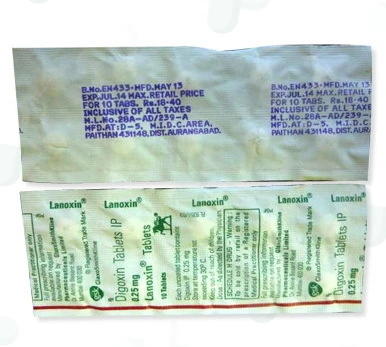
Digoxin
Digoxin is a cardiac glycoside medication used to treat certain heart conditions. It helps strengthen the force of the heart muscle’s contractions. This medication is primarily indicated for managing atrial fibrillation and heart failure. Digoxin works by affecting the electrical activity of the heart.
Extra 10% discount with coupon: EXTRA10
Each dosage option has its own packaging options.
Digoxin The Pharmacological Profile and Therapeutic Use in Cardiac Care
Welcome to our detailed guide on Digoxin, a critical medication relied upon by countless individuals for managing specific heart conditions. This comprehensive resource is designed to provide you with a thorough understanding of this powerful cardiac glycoside, covering its mechanism of action, approved uses, potential side effects, and important considerations. We aim to empower you with the knowledge needed to confidently manage your heart health journey.
For those seeking to buy this essential medication, we offer a straightforward pathway to acquire Digoxin online. You can conveniently order Digoxin through our platform, ensuring you receive a high-quality product. This guide is crafted for customers in the USA, Australia, and beyond, providing accessible information to support your health decisions without the usual hurdles. You can purchase Digoxin from us without prescription, allowing for direct and efficient access to your required treatment.
Understanding Digoxin: What It Is and How It Works
Digoxin is a well-established medication that belongs to a class of drugs known as cardiac glycosides. Its active substance, *digoxin*, is derived from the foxglove plant (*Digitalis lanata*), and it has been a cornerstone in cardiology for decades. This medication is primarily used to treat certain heart conditions, specifically focusing on improving the heart’s pumping efficiency and regulating irregular heart rhythms. Its unique mechanism of action makes it invaluable for patients experiencing chronic heart failure and atrial fibrillation.
The primary way *digoxin* works is by inhibiting the sodium-potassium ATPase pump in heart muscle cells. This inhibition leads to an increase in intracellular sodium, which in turn causes the sodium-calcium exchanger to reverse its operation, resulting in an accumulation of calcium within the heart muscle cells. This increased intracellular calcium enhances the contractility of the heart, leading to a stronger and more efficient heartbeat. This effect is known as a positive inotropic effect.
Beyond its impact on contractility, *digoxin* also affects the electrical activity of the heart. It slows the conduction of electrical impulses through the atrioventricular (AV) node, which is a key pathway for electrical signals between the atria and ventricles. This slowing effect helps to reduce the ventricular rate in patients with atrial fibrillation, a condition characterized by rapid and irregular beating of the atria. By slowing the ventricular rate, *digoxin* helps to restore a more controlled and regular heart rhythm, improving cardiac output and reducing symptoms such as palpitations, shortness of breath, and fatigue.
It’s important to understand that *digoxin* has a narrow therapeutic window, meaning the difference between an effective dose and a toxic dose is relatively small. Therefore, careful dosing and monitoring are crucial, though for your convenience, you can acquire this medication here without prescription. The effects of *digoxin* are dose-dependent and can be influenced by various factors, including kidney function, electrolyte balance, and concurrent medications. Despite its potent nature, when used appropriately, Digoxin significantly improves the quality of life for many individuals managing chronic heart conditions across the USA and other regions.
Approved Uses of Digoxin
Digoxin is approved for the treatment of two main cardiac conditions:
-
Chronic Heart Failure: For patients with chronic heart failure, particularly those with reduced ejection fraction, *digoxin* helps to improve the heart’s pumping ability. By increasing the force of contraction, it allows the heart to pump more blood with each beat, leading to better circulation and reduced symptoms such as fluid retention, shortness of breath, and fatigue. It is often used in conjunction with other heart failure medications to optimize patient outcomes. Its role is particularly significant in symptomatic patients despite optimal therapy with other agents.
-
Atrial Fibrillation: In individuals with atrial fibrillation, Digoxin is used to control the ventricular rate. Atrial fibrillation causes the atria to beat chaotically and rapidly, leading to an irregular and often fast ventricular response. By slowing the transmission of these rapid impulses to the ventricles, *digoxin* helps to normalize the heart rate, preventing the ventricles from beating too quickly. This can alleviate symptoms and improve the heart’s efficiency. It is especially useful for patients with concomitant heart failure or those who are sedentary.
These indications highlight the vital role Digoxin plays in managing significant cardiovascular diseases, contributing to better cardiac function and improved patient well-being.
Dosage and Administration of Digoxin
The correct dosage of Digoxin is highly individualized and depends on several factors, including the patient’s age, weight, kidney function, and the specific heart condition being treated. Due to its narrow therapeutic index, precise dosing is critical. Typically, treatment begins with a loading dose (digitalization) to quickly achieve therapeutic levels, followed by a maintenance dose to sustain these levels. However, gradual digitalization is often preferred in an outpatient setting to minimize risks. You can buy Digoxin and ensure you follow recommended guidelines for its use.
For most adults, typical maintenance doses range from 0.125 mg to 0.25 mg once daily. Lower doses may be necessary for elderly patients or those with impaired kidney function, as *digoxin* is primarily eliminated through the kidneys. It’s crucial to administer Digoxin consistently at the same time each day. The tablets can be taken with or without food, but consistency is key for optimal absorption. When you order Digoxin online, make sure to consider these administration guidelines.
It is important to avoid abrupt discontinuation of Digoxin, as this could lead to a worsening of the underlying heart condition. If you wish to stop taking the medication, it should be done gradually under appropriate guidance. For those looking to purchase this medication, remember that it is available without prescription, providing you with direct access to your cardiac care needs. Many individuals across Australia also seek to acquire this vital treatment without delay.
Potential Side Effects of Digoxin
While Digoxin is highly effective, it can cause side effects, especially if the dosage is too high. It’s important to be aware of these potential reactions when you buy and use this medication. Recognizing the signs of *digoxin* toxicity is paramount.
Common Side Effects:
-
Gastrointestinal Issues: Nausea, vomiting, diarrhea, and abdominal pain are among the most frequent initial signs of toxicity. Loss of appetite (anorexia) can also occur.
-
Neurological Effects: Headache, fatigue, weakness, dizziness, and lethargy are commonly reported. Mental disturbances such as confusion, disorientation, and even hallucinations may also occur.
-
Visual Disturbances: Blurred vision, “halo” vision (seeing halos around lights), and changes in color perception (e.g., yellow-green tint) are classic, though less common, signs of *digoxin* toxicity.
Less Common but Serious Side Effects:
-
Cardiac Arrhythmias: *Digoxin* can cause various types of irregular heartbeats, including bradycardia (slow heart rate), ventricular arrhythmias, and atrioventricular block. These can be life-threatening and require immediate attention.
-
Electrolyte Imbalance: *Digoxin* toxicity can be exacerbated by electrolyte disturbances, particularly hypokalemia (low potassium), hypomagnesemia (low magnesium), and hypercalcemia (high calcium). These imbalances can increase the heart’s sensitivity to *digoxin*.
-
Gynecomastia: In men, prolonged use of Digoxin can rarely lead to breast enlargement.
If you experience any severe or concerning side effects, it’s essential to seek professional guidance immediately. When you purchase Digoxin without prescription, it’s still vital to be informed about potential reactions. The ability to order Digoxin online provides convenience, but always prioritize your health and well-being.
Warnings and Precautions When Using Digoxin
Certain conditions and factors can increase the risk of side effects or reduce the effectiveness of Digoxin. Understanding these warnings and precautions is crucial for safe and effective use. You can buy Digoxin freely, but knowledge is your best ally.
-
Kidney Impairment: Since *digoxin* is primarily cleared by the kidneys, patients with impaired kidney function are at a higher risk of accumulation and toxicity. Lower doses are generally required, and close monitoring is recommended.
-
Electrolyte Imbalances: As mentioned, hypokalemia, hypomagnesemia, and hypercalcemia can significantly increase the risk of *digoxin* toxicity. Conditions that lead to these imbalances (e.g., diuretic use, prolonged vomiting or diarrhea) should be managed carefully.
-
Thyroid Disorders: Patients with hypothyroidism may be more sensitive to *digoxin*, requiring lower doses, while those with hyperthyroidism may require higher doses. Thyroid function should be stable before initiating Digoxin.
-
Myocardial Infarction: Caution should be exercised in patients with recent myocardial infarction, as *digoxin* may increase myocardial oxygen demand and potentially worsen ischemia.
-
Wolff-Parkinson-White Syndrome: Use of *digoxin* in patients with atrial fibrillation and an accessory pathway (like in WPW syndrome) can be dangerous, potentially leading to ventricular fibrillation.
-
Elderly Patients: Older adults are often more susceptible to *digoxin* toxicity due to age-related declines in kidney function and muscle mass. Careful dosing and monitoring are especially important in this population.
Always be vigilant for signs of toxicity when you use Digoxin. The ability to purchase Digoxin without prescription offers convenience, but responsible usage informed by comprehensive understanding is key.
Drug Interactions with Digoxin
Digoxin has numerous drug interactions that can either increase its levels and toxicity or decrease its effectiveness. Being aware of these interactions is vital for anyone looking to order Digoxin.
-
Diuretics: Thiazide and loop diuretics can cause hypokalemia, which increases the risk of *digoxin* toxicity. Potassium-sparing diuretics may help mitigate this.
-
Amiodarone, Verapamil, Diltiazem, Quinidine, Propafenone: These antiarrhythmic and calcium channel blocker medications can significantly increase *digoxin* levels by reducing its renal and non-renal clearance. A substantial reduction in *digoxin* dose (e.g., 30-50%) may be required when these drugs are co-administered.
-
Macrolide Antibiotics (e.g., Clarithromycin, Erythromycin) and Tetracyclines: These antibiotics can increase *digoxin* absorption and levels by altering gut flora that metabolizes *digoxin*.
-
Beta-blockers: While often used together for atrial fibrillation, concurrent use with beta-blockers can cause excessive bradycardia or AV block.
-
Antacids and Cholestyramine: These agents can decrease the absorption of *digoxin* from the gastrointestinal tract, potentially reducing its effectiveness. Separate administration by several hours is recommended.
-
St. John’s Wort: This herbal supplement can decrease *digoxin* levels, potentially leading to therapeutic failure.
This is not an exhaustive list, and it’s always advisable to be informed about all medications and supplements you are taking. When you purchase Digoxin no prescription is needed, but staying informed about interactions is a personal responsibility. For those in the USA and Australia, accessing accurate information about medication interactions is crucial.
Overdose Information
An overdose of Digoxin can be serious and potentially life-threatening due to its narrow therapeutic index. Symptoms of overdose are generally an intensification of the side effects, particularly cardiac arrhythmias and severe gastrointestinal upset. Bradycardia, heart block, and ventricular tachycardia/fibrillation are critical concerns. Nausea, vomiting, and confusion may also be more pronounced.
If an overdose is suspected, immediate medical attention is paramount. Treatment for *digoxin* toxicity often involves discontinuation of the drug, correction of electrolyte imbalances (especially potassium), and symptomatic management of arrhythmias. In severe cases, *digoxin*-specific antibody fragments (DigiFab, Digibind) may be administered to rapidly neutralize *digoxin* in the bloodstream. While you can buy Digoxin easily, responsible use and awareness of overdose symptoms are essential.
Storage of Digoxin
Digoxin tablets should be stored at room temperature, away from moisture and direct heat. Keep the medication in its original container and out of reach of children and pets. Do not store in the bathroom. Ensure the cap is tightly closed after each use. Proper storage helps maintain the medication’s efficacy and shelf life. When you order Digoxin online, it will arrive securely packaged to ensure its quality upon delivery.
Digoxin vs. Analogues: A Quick Comparison
While Digoxin is a well-known cardiac glycoside, other similar medications have been used in the past or are used in specific contexts. One notable comparison is with *Digitoxin*. Though both are derived from *Digitalis* plants and share a similar mechanism, they differ significantly in pharmacokinetics and clinical use.
| Characteristic | Digoxin | *Digitoxin* |
|---|---|---|
| Active Substance | *Digoxin* | *Digitoxin* |
| Primary Elimination Route | Renal (Kidneys) | Hepatic (Liver) |
| Half-Life (Adults) | 36-48 hours | 5-7 days |
| Onset of Action (Oral) | 1-2 hours | 2-4 hours |
| Peak Effect (Oral) | 6-8 hours | 8-12 hours |
| Protein Binding | 20-30% | 90-95% |
| Therapeutic Window | Narrow | Very Narrow (higher risk of accumulation due to long half-life) |
| Common Uses | Heart failure, Atrial fibrillation | Historically, similar uses; now largely replaced by *digoxin* due to more manageable half-life and less protein binding |
| Availability (USA) | Widely available | Limited, mostly compounded or for specific cases |
Digoxin is the more commonly prescribed cardiac glycoside in modern practice, especially in the USA, due to its relatively shorter half-life, which allows for more predictable dosing and easier management of toxicity compared to *digitoxin*. The renal elimination of *digoxin* makes dose adjustments for kidney function straightforward, although it also means kidney impairment directly impacts its clearance. When you seek to purchase a reliable cardiac glycoside, Digoxin remains a preferred choice.
Popular Questions About Digoxin
1. How long does it take for Digoxin to start working?
When taken orally, Digoxin typically starts to exert its effects within 1 to 2 hours, with the peak effect usually occurring around 6 to 8 hours after administration. However, it may take several days of consistent dosing to reach stable therapeutic levels in the body, particularly if a loading dose is not used.
2. Can Digoxin be taken with other heart medications?
Yes, Digoxin is often used in combination with other heart medications, such as ACE inhibitors, beta-blockers, and diuretics, especially for the treatment of heart failure. However, it’s crucial to be aware of potential drug interactions, as some medications can affect *digoxin* levels or enhance its effects. Always review your full medication list to ensure safe co-administration.
3. What should I do if I miss a dose of Digoxin?
If you miss a dose, take it as soon as you remember, unless it’s almost time for your next scheduled dose. In that case, skip the missed dose and resume your regular dosing schedule. Do not take a double dose to make up for a missed one, as this can increase the risk of toxicity. Consistency is key when you purchase Digoxin.
4. How often should I have my Digoxin levels checked?
Regular monitoring of *digoxin* blood levels is often recommended, especially during initiation of therapy, after dose adjustments, or if there are concerns about toxicity or efficacy. The frequency of monitoring depends on individual patient factors, including kidney function and concurrent medications. Your care team can provide specific recommendations, but as you buy Digoxin without prescription, personal vigilance is enhanced.
5. Can Digoxin cause weight changes?
While not a direct effect of the drug itself, improvement in heart failure symptoms, such as reduced fluid retention, can lead to weight loss. Conversely, if heart failure worsens or toxicity leads to nausea and appetite loss, weight changes might be observed. Any significant unexplained weight changes should be discussed.
6. Is it safe to drink alcohol while taking Digoxin?
Moderate alcohol consumption is generally not considered to directly interact with Digoxin. However, excessive alcohol intake can lead to dehydration and electrolyte imbalances, particularly hypokalemia, which can increase the risk of *digoxin* toxicity. It’s best to consume alcohol in moderation and be mindful of its effects on your overall health.
7. Can Digoxin affect my vision?
Yes, visual disturbances are a known, albeit less common, symptom of *digoxin* toxicity. These can include blurred vision, seeing halos around lights, or changes in color perception (e.g., a yellow or green tint). If you experience any new or unusual visual symptoms while taking Digoxin, it’s important to be aware of this potential side effect.
8. Does Digoxin help with chest pain (angina)?
Digoxin is not typically used to treat angina (chest pain caused by reduced blood flow to the heart muscle). Its primary roles are in improving heart contractility in heart failure and controlling ventricular rate in atrial fibrillation. Other medications, such as nitrates, beta-blockers, and calcium channel blockers, are generally prescribed for angina relief.
Customer Reviews for Digoxin
We are dedicated to providing high-quality medication that makes a real difference in our customers’ lives. Here are a couple of positive experiences shared by individuals who have used Digoxin.
Review 1: John D., Nevada, USA
“I’ve been managing chronic heart failure for years, and Digoxin has been a game-changer for me. Before I started taking it, I was constantly tired and struggled with even simple tasks. Since I began my regimen, I’ve noticed a significant improvement in my energy levels and overall well-being. My heart feels stronger, and I can enjoy daily activities much more without feeling breathless. It’s been incredibly reassuring to be able to order Digoxin online and have it delivered directly. This accessibility has made a real difference in maintaining my health without any hassle. Highly recommend for anyone looking to purchase this vital medication.”
Review 2: Sarah K., Sydney, Australia
“Living with atrial fibrillation can be quite challenging, especially with the erratic heart rhythms. My experience with Digoxin has been overwhelmingly positive. It has effectively helped to regulate my heart rate, allowing me to feel much more stable and comfortable throughout the day. The convenience of being able to buy Digoxin without prescription has been a huge relief, saving me time and effort. I appreciate being able to consistently access my medication when I need it. This product has truly improved my quality of life, and I’m grateful for the easy access to such an important treatment.”
These testimonials reflect the positive impact Digoxin can have on individuals managing specific heart conditions. We are committed to ensuring you can acquire your medication with ease and confidence. If you are looking to purchase Digoxin, our platform provides a reliable and convenient way to order it. You can buy Digoxin without prescription, making your health journey simpler and more accessible.
| Dosage | 0.25mg |
|---|---|
| Package | 90 pills, 120 pills, 180 pills, 270 pills, 360 pills |
| Active Ingredient | digoxin |
Be the first to review “Digoxin”
You must be logged in to post a review.
Related products



Reviews
There are no reviews yet.