

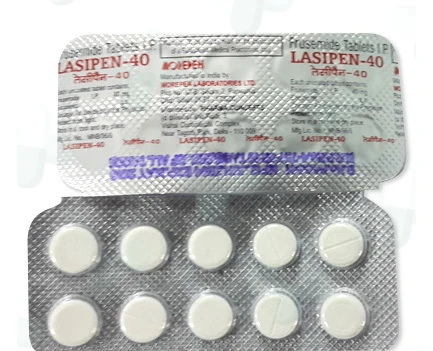
Furosemide
Furosemide is a potent diuretic medication used to treat fluid retention (edema) associated with conditions like heart failure, liver disease, and kidney disease. It works by increasing the amount of salt and water the kidneys remove from the blood. This action helps to reduce swelling and improve breathing difficulties caused by excess fluid. Furosemide is also prescribed to manage high blood pressure (hypertension), often in combination with other antihypertensive agents.
Extra 10% discount with coupon: EXTRA10
Each dosage option has its own packaging options.
Furosemide A Powerful Diuretic Understanding Its Actions and Therapeutic Applications
Welcome to our in-depth resource on Furosemide, a highly effective and widely utilized medication designed to help manage a range of conditions, primarily involving fluid retention and high blood pressure. In the United States and Australia, many individuals seek reliable solutions for symptoms such as swelling and cardiovascular support. This comprehensive guide aims to provide you with all the essential information about Furosemide, from its mechanism of action to its approved uses, potential side effects, and important considerations for its safe and effective application. We understand the importance of having complete and accessible information when making health-related decisions, and we are committed to offering a transparent overview of this vital medication.
Furosemide stands as a cornerstone in medical therapy for conditions characterized by excessive fluid accumulation within the body, medically known as edema, as well as for the management of hypertension. Its efficacy has made it a trusted choice for many. On this platform, we provide an opportunity to purchase this medication conveniently and directly. Whether you are familiar with its benefits or are exploring treatment options, this resource is tailored to equip you with the knowledge necessary to understand how Furosemide can support your health needs, and how you can acquire it without a prescription, simplifying your access to this important drug.
What is Furosemide and How Does It Work?
Furosemide is classified as a potent loop diuretic, a medication that acts directly on the kidneys to enhance the excretion of water and salts. The active ingredient, furosemide, targets the ascending limb of the loop of Henle, a crucial segment within the kidney’s nephrons. Here, it specifically inhibits the sodium-potassium-2 chloride cotransporter. By blocking this transporter, furosemide prevents the reabsorption of these key electrolytes back into the bloodstream, leading to their increased presence in the renal tubules and subsequent excretion in urine.
This inhibition results in a significant increase in the volume of urine produced, a process known as diuresis. The removal of excess fluid and electrolytes from the body is essential for reducing swelling, lowering blood pressure, and easing the burden on the heart. This powerful and rapid mechanism makes Furosemide an invaluable tool in managing conditions where fluid overload poses a health risk, providing quick relief for individuals. Its widespread use, including throughout the United States, underscores its importance in modern medicine.
Approved Indications for Furosemide
Furosemide is approved for the treatment of several medical conditions primarily characterized by fluid retention or hypertension. Understanding these indications is crucial for anyone considering this medication. This information pertains exclusively to officially approved uses.
Edema Associated with Congestive Heart Failure (CHF)
A primary indication for Furosemide is the management of edema linked to Congestive Heart Failure. In CHF, the heart’s reduced pumping efficiency leads to fluid buildup in the body, manifesting as swelling in the legs, ankles (peripheral edema), and fluid in the lungs (pulmonary edema), causing shortness of breath. Furosemide effectively reduces this fluid, alleviating symptoms, and lessening the heart’s workload, thus improving patient comfort and functional capacity. It remains a critical component in CHF treatment plans.
Edema Associated with Liver Cirrhosis
Liver cirrhosis, a severe liver disease, frequently causes significant fluid retention, particularly ascites (abdominal fluid) and peripheral edema. The liver’s impaired function disrupts fluid balance and protein production. Furosemide helps manage this fluid overload by promoting excretion, reducing ascites and discomfort. Careful monitoring of fluid and electrolytes is essential due to increased susceptibility to imbalances in this patient group, yet furosemide remains key in mitigating severe fluid retention in advanced liver disease.
Edema Associated with Renal Disease, Including Nephrotic Syndrome
Kidney diseases, such as nephrotic syndrome, often result in widespread edema due to impaired kidney function and excessive sodium and water retention. Nephrotic syndrome specifically involves significant protein loss, exacerbating fluid buildup. Furosemide effectively reduces edema in these patients, even with compromised kidney function, by mobilizing excess fluid. Dosage adjustments may be necessary based on the degree of renal impairment, but its ability to alleviate swollen ankles and other edema symptoms is crucial.
Hypertension (High Blood Pressure)
Furosemide is also approved for treating hypertension. While often used as an adjunct to other antihypertensive drugs, it is a valuable part of treatment, especially when hypertension involves fluid retention. By reducing blood volume through increased urine output, Furosemide helps lower blood pressure, easing pressure on blood vessel walls. It is particularly useful for patients unresponsive to other agents or with co-existing conditions benefiting from diuresis, forming a well-established strategy for cardiovascular health across the USA.
Dosage and Administration of Furosemide
The appropriate dosage of Furosemide varies based on individual condition and response. Traditionally, healthcare professionals determine dosages, but for convenient access, we offer Furosemide online, allowing you to purchase this medication without prescription. This provides flexibility for direct management of your health needs.
Furosemide is typically taken orally. It’s advisable to take it earlier in the day to avoid nighttime urination. Initial doses for edema might range from 20 mg to 80 mg daily, adjusted as needed. For hypertension, lower doses like 20 mg daily are common. The maximum daily dose generally should not exceed 600 mg. When you buy Furosemide, you gain the freedom to manage your dosage according to your needs, always observing your body’s response. Consistency is key for effective therapeutic outcomes.
Potential Side Effects of Furosemide
Like all medications, Furosemide can cause side effects. Understanding these is important for safe use. Most are mild, but some may require attention.
Common Side Effects
- Electrolyte Imbalances: Common and significant, affecting potassium, sodium, and chloride. Symptoms include muscle cramps, weakness, fatigue, and confusion.
- Dehydration: Increased urine output can lead to thirst, dry mouth, reduced urine, and dizziness, especially upon standing (orthostatic hypotension).
- Headache: Some individuals may experience headaches.
- Gastrointestinal Upset: Nausea, vomiting, or diarrhea can occur.
Serious Side Effects (Less Common)
Rare but serious side effects require prompt attention:
- Ototoxicity (Hearing Impairment): High doses can rarely lead to temporary or permanent hearing loss or tinnitus.
- Allergic Reactions: Rash, itching, severe dizziness, swelling, or breathing difficulties.
- Blood Disorders: Rare effects on blood cells (leukopenia, anemia, thrombocytopenia).
- Liver Problems: Uncommonly, liver dysfunction or jaundice can occur.
It is crucial to monitor your body’s response to Furosemide. While you can purchase this medication without prescription, watch for adverse reactions and adjust as needed. For severe symptoms, prioritize your well-being.
Precautions and Warnings
Before you buy Furosemide, be aware of certain precautions for safe use. Informed self-management is crucial even without a prescription.
- Electrolyte and Fluid Monitoring: Furosemide significantly alters fluid and electrolyte balance. Watch for symptoms like extreme thirst, muscle weakness, or lethargy.
- Dehydration and Hypotension: Excessive diuresis can cause dehydration and a drop in blood pressure, increasing fall risk. Maintain adequate, but not excessive, hydration.
- Drug Interactions: Furosemide interacts with NSAIDs, lithium, digoxin, and aminoglycoside antibiotics, potentially altering effects or increasing side effects. It can also enhance effects of other antihypertensives.
- Use in Specific Populations: Elderly patients are more susceptible to side effects. Pregnant and breastfeeding women should use with caution, only if benefits outweigh risks, as furosemide can affect lactation. Patients with liver or kidney impairment require careful consideration.
- Driving and Operating Machinery: Exercise caution due to potential dizziness, especially initially.
- Alcohol Consumption: Alcohol can intensify hypotensive effects, increasing dizziness.
When you order Furosemide, you are taking responsibility for informed use. This information empowers you for safe and effective self-management. We offer accessible options for individuals in the United States and Australia looking to purchase medications online.
Storage of Furosemide
Proper storage ensures Furosemide‘s efficacy and safety. Keep tablets at room temperature (68°F to 77°F or 20°C to 25°C), protected from light, moisture, and heat. Store in the original, tightly closed container, out of reach of children and pets. Avoid humid environments like bathrooms. Correct storage maintains potency and stability throughout its shelf life.
Furosemide Characteristics and Comparison with an Analog
For a comprehensive understanding, here’s a table outlining key characteristics of Furosemide and a comparison with Bumetanide (e.g., Bumex), a popular loop diuretic analog. This highlights their similarities and key differences.
| Feature | Furosemide | Bumetanide (e.g., Bumex) |
|---|---|---|
| Drug Class | Loop Diuretic | Loop Diuretic |
| Active Ingredient | furosemide | bumetanide |
| Primary Uses | Edema (CHF, liver, kidney), Hypertension | Edema (CHF, liver, kidney) |
| Onset of Action (Oral) | ~30-60 minutes | ~30-60 minutes |
| Duration of Action | 6-8 hours | 4-6 hours |
| Potency Comparison | Less potent than bumetanide (e.g., 40mg furosemide ~ 1mg bumetanide), broader dose range. | More potent than furosemide, effective at lower doses. |
| Excretion | Primarily renal, some hepatic metabolism. | Significant hepatic metabolism, renal excretion. |
| Common Side Effects | Electrolyte imbalance (hypokalemia), dehydration, hypotension, dizziness. | Similar, potentially less ototoxicity risk at equivalent diuretic effect. |
| Availability on Our Site | Buy online without prescription. | Typically requires a prescription elsewhere. |
Frequently Asked Questions about Furosemide
Here are some popular questions about Furosemide, with detailed answers to enhance your understanding when you purchase this medication.
-
How long does Furosemide take to start working, and how long do its effects last?
Orally, Furosemide typically starts working within 30 to 60 minutes, with peak effects in 1-2 hours. You’ll notice increased urine output soon after. Its effects generally last for about 6 to 8 hours. To avoid nighttime urination, it’s best taken earlier in the day, usually not after late afternoon. This duration helps individuals plan their daily activities when managing fluid retention or blood pressure, making it a reliable choice for consistent symptom management.
-
What are the most common side effects of Furosemide, and how can I manage them?
Common side effects of Furosemide relate to its diuretic action, including electrolyte imbalances (low potassium, sodium, chloride), dehydration, dizziness upon standing, muscle cramps, and increased urination. To manage these, maintain adequate hydration (without overdrinking). For low potassium, incorporate potassium-rich foods like bananas or spinach. If dizzy, rise slowly. For persistent side effects, observing your body’s reaction and adjusting your lifestyle or dosage can be beneficial. Many find their body adjusts over time.
-
Can I take Furosemide with other medications?
Furosemide can interact with other drugs. NSAIDs may reduce its effectiveness, and lithium toxicity can increase. Combining with aminoglycoside antibiotics raises hearing problem risks. Other blood pressure medications can cause excessive drops in blood pressure. It may also affect blood sugar levels for those on diabetes medication. If taking other medications, be aware of potential interactions and monitor yourself closely. While you can purchase Furosemide without prescription, careful self-monitoring is essential for safe concurrent use.
-
Is Furosemide safe for long-term use?
Yes, Furosemide is often used safely for long-term management of chronic conditions like congestive heart failure and chronic kidney disease. Its proven efficacy supports extended application. However, long-term use requires continuous awareness of potential issues like electrolyte imbalances and kidney function. Regular attention to these aspects ensures benefits outweigh risks. Patients using Furosemide long-term often learn to recognize their body’s fluid and electrolyte signals. When you buy Furosemide, understanding long-term implications allows informed self-management for customers in the United States and Australia.
-
What should I do if I miss a dose of Furosemide?
If you miss a dose of Furosemide, take it as soon as you remember. However, if it’s late in the day (e.g., after 4:00 PM or close to your next dose), it’s generally best to skip the missed dose to avoid nighttime urination and resume your regular schedule. Do not double up doses; this increases the risk of dehydration and electrolyte imbalance. Consistency is important, but safety comes first. Plan your doses to fit your routine to minimize missing them.
-
How can I manage electrolyte imbalance while taking Furosemide?
Managing electrolyte imbalance, especially hypokalemia (low potassium), is crucial when taking Furosemide. Incorporate potassium-rich foods like bananas, oranges, potatoes, spinach, and avocados into your diet. Be mindful of sodium intake; high sodium can worsen fluid retention, while extremely low sodium is also a concern. Staying hydrated without overdoing it is vital. Watch for symptoms of severe imbalance such as extreme muscle weakness or irregular heartbeats, which may signal a need for dietary adjustment.
-
What is the difference between Furosemide and other types of diuretics?
Furosemide is a potent loop diuretic, acting specifically on the loop of Henle to excrete significant amounts of sodium, chloride, and water. Other diuretics include thiazide diuretics (e.g., hydrochlorothiazide), which are less potent and act on the distal tubule, often used for uncomplicated hypertension. Potassium-sparing diuretics (e.g., spironolactone) work differently, helping retain potassium and counteracting other diuretics’ potassium-losing effects. The choice depends on the condition’s severity and the patient’s profile. Furosemide excels in mobilizing large amounts of fluid for significant edema.
-
Can Furosemide help with weight loss?
While Furosemide can lead to weight reduction, this is solely due to the loss of excess water, not body fat. It removes accumulated fluid (edema). Any weight loss is fluid weight and will typically return if the underlying fluid retention issue resolves or the medication stops. Furosemide is not indicated or approved as a weight-loss drug for healthy individuals. Using it for non-medical purposes risks dangerous dehydration, severe electrolyte imbalances, and potential kidney or heart problems. It should only be used for approved indications like edema and hypertension.
Customer Testimonials
Here’s what some of our customers have to say about their experience with Furosemide purchased through our platform:
-
Review from Mark S. (California, USA)
“I’ve struggled with persistent swelling in my ankles and feet for years, especially after long days at work. It was becoming a real nuisance. I heard about Furosemide and decided to look into it. Finding a reliable place to purchase it online without prescription was a game-changer for me. After starting on a low dose, I noticed a remarkable difference within a couple of days. The swelling significantly reduced, and I felt much lighter and more energetic. It’s truly provided me with much-needed relief and improved my daily comfort immensely. The convenience of being able to order this essential medication and have it delivered discreetly has been invaluable. I highly recommend it for anyone dealing with similar fluid retention issues.”
-
Review from Emily R. (Sydney, Australia)
“Managing my blood pressure has always been a challenge, and despite trying various approaches, I still had days where I felt sluggish and slightly ‘puffed up’. My friend suggested I look into Furosemide to help with any underlying fluid retention that might be contributing. I was initially hesitant to buy medication online, but the detailed information provided here gave me confidence. The process to purchase was straightforward, and I appreciated the clear guidance. Since incorporating Furosemide into my routine, I’ve felt a noticeable difference in my overall well-being. My legs feel less heavy, and I seem to have more consistent energy. It’s given me a sense of control over my symptoms that I hadn’t felt before, and I’m very grateful for the accessibility and effectiveness of this product.”
Your Access to Furosemide
We are dedicated to making essential medications accessible. You can confidently buy Furosemide online from our platform. We understand that in places like the United States and Australia, quick and unhindered access to certain medications is highly valued. Therefore, we provide a streamlined process for you to order Furosemide without prescription, ensuring you receive the medication you need directly and efficiently. Experience the convenience of managing your health needs on your terms. Our platform is designed to make your purchase simple and secure, empowering you to take control of your well-being.
| Dosage | 40mg, 100mg |
|---|---|
| Package | 60 pills, 90 pills, 120 pills, 180 pills, 270 pills, 360 pills |
| Active Ingredient | furosemide |
Be the first to review “Furosemide”
You must be logged in to post a review.
Related products




Reviews
There are no reviews yet.