

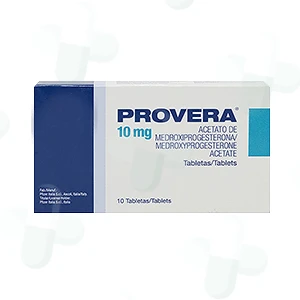
Provera

Provera is a brand name for medroxyprogesterone acetate, a synthetic progestin. It is commonly prescribed to treat secondary amenorrhea, which is the absence of menstruation. Provera can also be used to manage abnormal uterine bleeding due to hormonal imbalance. This medication works by helping to regulate the menstrual cycle.
Extra 10% discount with coupon: EXTRA10
Each dosage option has its own packaging options.
Provera Unraveled Understanding Its Role in Women’s Health and Hormonal Management
Welcome to our detailed guide on Provera, a widely recognized medication crucial for managing various gynecological conditions. This comprehensive resource is designed to provide you with in-depth information about this important therapeutic agent, helping you understand its benefits, proper usage, and what to expect. In the USA, many individuals seek reliable solutions for hormonal balance and menstrual health, and Provera stands as a key option in these areas. We aim to equip you with all the knowledge needed to make informed decisions about your health, focusing exclusively on its officially approved medical applications.
For those looking to manage specific women’s health concerns, the ability to acquire necessary medications with ease is paramount. We understand the need for accessibility, and you can buy Provera online through our platform. We offer a straightforward process for you to order Provera without prescription, ensuring a convenient and discreet purchase experience. This means you can secure your supply and begin treatment efficiently, without the usual delays. Our commitment is to provide a seamless way to purchase Provera no prescription needed, bringing effective solutions directly to you.
What is Provera? Understanding Its Role in Women’s Health
Provera is a synthetic progestin, a medication that mimics the effects of the natural hormone progesterone in the body. Its active ingredient is medroxyprogesterone acetate, a potent derivative of progesterone designed for oral administration. This compound plays a critical role in regulating the menstrual cycle and maintaining pregnancy, among other functions. In non-pregnant women, progesterone, and therefore medroxyprogesterone acetate, helps to prepare the uterus for pregnancy each month and is essential for the regular shedding of the uterine lining during menstruation.
The primary mechanism of action for medroxyprogesterone acetate involves binding to progesterone receptors in various target tissues, most notably the uterus. By doing so, it induces secretory changes in the endometrium (the lining of the uterus) that are characteristic of the luteal phase of the menstrual cycle. If the endometrium has been exposed to estrogen, medroxyprogesterone acetate can cause it to shed, leading to a menstrual-like period. This action is particularly useful in conditions where the body does not produce enough natural progesterone or when there is an imbalance between estrogen and progesterone.
This medication is widely prescribed in the USA and Australia for several key indications that address common gynecological issues. It is not a hormone replacement therapy in itself but is often used in conjunction with estrogen in certain HRT regimens to protect the uterine lining. The versatility of Provera makes it a cornerstone in managing a range of conditions, from irregular periods to more complex issues related to hormonal imbalance. Understanding how it works provides clarity on why it is so effective in its designated uses, ensuring that women can achieve better hormonal regulation and improved reproductive health outcomes.
Primary Indications for Provera
Provera is specifically approved for several important medical conditions, primarily focusing on women’s reproductive health. These indications are based on its ability to mimic and regulate the effects of natural progesterone, addressing imbalances and promoting healthy uterine function.
1. Management of Abnormal Uterine Bleeding Due to Hormonal Imbalance:
One of the most common applications for Provera is in the treatment of abnormal uterine bleeding. This refers to menstrual bleeding that is irregular, unusually heavy, or prolonged, and is not caused by organic pathology like fibroids or polyps. Often, such bleeding is a result of anovulatory cycles, where the ovaries do not release an egg, leading to an absence of progesterone production. Without progesterone to stabilize the uterine lining, the endometrium can continue to grow under the influence of estrogen, becoming thick and unstable, eventually shedding irregularly and heavily. Medroxyprogesterone acetate helps to induce a complete and organized shedding of the uterine lining. By providing exogenous progestin, Provera helps to build up the uterine lining in a structured manner, and then, upon withdrawal of the medication, a controlled and predictable menstrual-like bleed occurs. This process effectively resets the uterine lining, reducing irregular or excessive bleeding and helping to establish a more regular bleeding pattern. This application is particularly beneficial for women experiencing dysfunctional uterine bleeding, providing a reliable method to regulate their cycles.
2. Treatment of Secondary Amenorrhea:
Secondary amenorrhea is defined as the absence of menstruation for three consecutive cycles or six consecutive months in a woman who previously had regular periods. This condition is often caused by a lack of ovulation, which leads to insufficient progesterone production. When the body does not produce enough progesterone, the uterine lining does not undergo the normal secretory changes necessary for a period to occur. Provera addresses this by supplying the body with medroxyprogesterone acetate, which induces these essential changes in the endometrium. After a course of Provera, the withdrawal of the medication triggers a menstrual period. This effectively helps to restart the menstrual cycle, confirming the presence of a responsive uterine lining and often aiding in the diagnosis of the underlying cause of amenorrhea (ruling out uterine issues). For many women in the USA and Australia struggling with infrequent or absent periods, Provera offers a direct and effective way to restore cyclical bleeding.
3. Prevention of Endometrial Hyperplasia in Postmenopausal Women Receiving Estrogen Therapy:
In postmenopausal women undergoing estrogen hormone therapy (EHT) to alleviate menopausal symptoms, there is an increased risk of endometrial hyperplasia – an overgrowth of the uterine lining. If left unchecked, endometrial hyperplasia can potentially progress to endometrial cancer. This risk arises because estrogen alone stimulates the growth of the endometrium. Natural progesterone typically counteracts this growth. Therefore, when postmenopausal women with an intact uterus are given estrogen, a progestin like medroxyprogesterone acetate is added to the regimen to protect the endometrium. Provera is administered cyclically or continuously in combination with estrogen. The medroxyprogesterone acetate induces secretory changes in the uterine lining, preventing excessive estrogen-induced growth and promoting the shedding or stabilization of the endometrium. This significantly reduces the risk of hyperplasia and endometrial cancer, making Provera an essential component of combined estrogen-progestin therapy for postmenopausal women.
How to Use Provera: Dosage and Administration
Proper administration and adherence to dosage instructions are crucial for the effective and safe use of Provera. While you can acquire this medication without prescription, understanding the general guidelines will help you achieve the best possible outcomes. The specific dosage and duration of treatment will vary depending on the condition being treated.
General Guidelines:
- Always take Provera orally, usually once a day, with or without food. Consistency is key, so try to take it at the same time each day.
- It is typically prescribed for a specific number of days each month, rather than continuously, depending on the indication.
- Do not alter the dosage or stop the medication abruptly without considering your treatment goals.
Dosage for Abnormal Uterine Bleeding:
For the treatment of abnormal uterine bleeding due to hormonal imbalance, the typical dosage is 5 to 10 mg of medroxyprogesterone acetate daily for 5 to 10 days. The withdrawal of Provera usually results in a menstrual-like bleed within 3 to 7 days after the last dose. This cyclical treatment helps to regularize bleeding patterns and is often repeated for several cycles to establish a more predictable rhythm. For some individuals, a lower dose for a longer duration might be suggested, but the 5-10 day course is most common.
Dosage for Secondary Amenorrhea:
In cases of secondary amenorrhea, the standard dosage is also 5 to 10 mg of medroxyprogesterone acetate daily, typically administered for 5 to 10 days. As with abnormal bleeding, a withdrawal bleed is expected a few days after completing the course. This helps to confirm the responsiveness of the uterine lining and can be used to re-establish regular monthly cycles. The timing of subsequent cycles will depend on the individual’s response and the underlying cause of amenorrhea.
Dosage for Prevention of Endometrial Hyperplasia in Postmenopausal Women Receiving Estrogen Therapy:
When used to protect the endometrium in postmenopausal women taking estrogen, Provera can be administered in two main regimens:
- Cyclical Regimen: Typically, 5 or 10 mg of medroxyprogesterone acetate is taken daily for 10 to 14 consecutive days of a 28-day estrogen cycle. This approach induces a regular, predictable withdrawal bleed, mimicking a natural menstrual period, which helps to shed the uterine lining and prevent overgrowth.
- Continuous Combined Regimen: A lower dose, usually 2.5 to 5 mg of medroxyprogesterone acetate, is taken daily continuously, alongside continuous estrogen therapy. This regimen aims to minimize or eliminate bleeding entirely, providing continuous endometrial protection without the cyclical withdrawal bleed. This is often preferred by women who wish to avoid regular bleeding.
It is important to understand that the precise method of administration for endometrial protection will depend on the overall estrogen therapy regimen. For optimal results and safety, adhering strictly to the chosen schedule is vital. If you purchase Provera without prescription, it is still advisable to research and understand the recommended dosages for your specific condition or consult readily available medical guidelines.
Potential Side Effects and Important Considerations
Like all medications, Provera can cause side effects, although not everyone experiences them. Most side effects are mild and transient, particularly as your body adjusts to the medication. However, it’s important to be aware of potential reactions and what to do if they occur. While you can order Provera online, being informed about its full profile is part of responsible self-care.
Common Side Effects:
- Menstrual Changes: Irregular periods, spotting, or changes in bleeding patterns are common, especially at the beginning of treatment. Some women may experience a temporary cessation of periods.
- Headache: Mild to moderate headaches can occur.
- Nausea: Upset stomach or feeling nauseous is sometimes reported.
- Breast Tenderness: Similar to symptoms experienced during a natural menstrual cycle.
- Weight Changes: Some individuals may notice slight weight gain or fluid retention.
- Mood Changes: Mood swings, depression, or irritability have been reported by a small percentage of users.
- Dizziness or Drowsiness: These can occur, especially when starting the medication.
- Acne or Oily Skin: Hormonal fluctuations can sometimes affect skin condition.
Less Common but More Serious Side Effects (Seek medical attention if you experience these):
- Thromboembolic Events: Although rare, there is a potential for increased risk of blood clots (e.g., deep vein thrombosis, pulmonary embolism, stroke, heart attack), particularly with higher doses or prolonged use, and in individuals with pre-existing risk factors. Symptoms include sudden severe headache, vision changes, slurred speech, chest pain, shortness of breath, or leg pain/swelling.
- Liver Problems: Jaundice (yellowing of the skin or eyes), dark urine, or persistent nausea/vomiting can indicate liver issues.
- Allergic Reactions: Rash, itching, severe dizziness, swelling (especially of the face/throat), or trouble breathing.
- Vision Changes: Partial or complete loss of vision, bulging eyes, or double vision.
- Severe Depression: Worsening mood or thoughts of self-harm.
Contraindications:
Provera should generally not be used if you have:
- A history of blood clots or active thrombophlebitis, or thromboembolic disorders.
- Undiagnosed abnormal vaginal bleeding.
- Known or suspected malignant disease of the breast or genital organs.
- Liver dysfunction or disease.
- Known or suspected pregnancy.
Important Precautions:
Even when you purchase Provera without prescription, it’s wise to be aware of certain conditions that may require caution or monitoring during its use:
- History of Depression: Monitor mood changes.
- Fluid Retention: Conditions exacerbated by fluid retention (e.g., epilepsy, migraine, asthma, cardiac or renal dysfunction) may require careful observation.
- Diabetes: Progestins may decrease glucose tolerance, so diabetic patients should be monitored.
- History of Liver Disease: While active liver disease is a contraindication, a history may warrant caution.
- Bone Mineral Density: Long-term use of injectable medroxyprogesterone acetate can lead to bone mineral density loss; however, oral Provera usually does not carry the same significant risk at typical dosages and durations.
Understanding these aspects ensures that when you order Provera, you are doing so with full knowledge of its implications for your health. If you experience any severe or concerning symptoms, it’s always recommended to seek medical advice, even if you acquired the medication without a specialist’s consultation. Taking this medication responsibly involves being attentive to your body’s responses.
Detailed Characteristics of Provera and a Comparison with a Popular Analog
To further enhance your understanding of Provera, we provide a table outlining its key characteristics. Additionally, to offer a broader perspective on progestin therapy, we will compare Provera with a popular analog, such as Prometrium (oral micronized progesterone), highlighting their similarities and differences. This comparison can be helpful for individuals in the USA and Australia considering different options for their health needs.
| Characteristic | Provera (Medroxyprogesterone Acetate) |
|---|---|
| Active Ingredient | Medroxyprogesterone acetate |
| Drug Class | Synthetic Progestin |
| Common Strengths | 2.5 mg, 5 mg, 10 mg (tablets) |
| Form | Oral Tablets |
| Primary Uses | Abnormal uterine bleeding, Secondary amenorrhea, Prevention of endometrial hyperplasia in postmenopausal women on estrogen therapy |
| Mechanism of Action | Binds to progesterone receptors, inducing secretory changes in the endometrium; suppresses gonadotropin secretion. |
| Origin | Synthetic derivative of progesterone |
Provera vs. Prometrium (Oral Micronized Progesterone) Comparison
| Feature | Provera (Medroxyprogesterone Acetate) | Prometrium (Oral Micronized Progesterone) |
|---|---|---|
| Active Ingredient | Medroxyprogesterone acetate (synthetic progestin) | Micronized progesterone (bioidentical progesterone) |
| Chemical Structure | Modified progesterone structure | Identical to the progesterone produced naturally by the human body |
| Primary Uses | Abnormal uterine bleeding, Secondary amenorrhea, Endometrial hyperplasia prevention (with estrogen) | Secondary amenorrhea, Endometrial hyperplasia prevention (with estrogen), Infertility treatment (luteal phase support), Postmenopausal hormone therapy |
| Dosage Form | Oral Tablets | Oral Capsules (often oil-based) |
| Metabolic Profile | Different metabolic effects compared to natural progesterone, potentially higher impact on lipids or coagulation factors in some studies. | Metabolized to various neuroactive steroids, can cause drowsiness; generally considered to have a more favorable metabolic profile than some synthetic progestins. |
| Sedation/Drowsiness | Generally less sedating. | Can cause significant drowsiness, often recommended to be taken at bedtime. |
| Breast Tenderness | Common side effect. | Common side effect. |
| Allergic Reactions | Rare, but possible. | Rare, but possible, especially with peanut oil carrier in some formulations. |
| Availability (General) | Widely available, long history of use. | Widely available, growing popularity due to “bioidentical” nature. |
| “No Prescription” Availability | Available for purchase without prescription on our platform. | Availability without prescription may vary by region or platform. |
This comparison illustrates that while both Provera and Prometrium serve similar therapeutic goals in gynecological health, they achieve them through slightly different biochemical pathways due to their distinct molecular structures. Provera, with its synthetic origin, offers robust progestational effects that have been well-studied over decades. Prometrium, being bioidentical, might offer a different side effect profile, particularly regarding sedation. The choice between them often comes down to individual patient needs, tolerability, and specific medical considerations, but both are effective options for the approved indications.
Frequently Asked Questions About Provera
Here are answers to some of the most common questions people have about Provera, especially for those considering to buy it online or looking to understand its usage better. These questions are designed to address practical concerns and provide clear, concise information.
1. How long does it take for Provera to work and induce a period?
When Provera is prescribed to induce a menstrual period, such as for secondary amenorrhea or abnormal uterine bleeding, you can typically expect a withdrawal bleed to begin within 3 to 7 days after you take your last dose of the medication. The exact timing can vary slightly from person to person, depending on individual hormonal responses and the thickness of the uterine lining when treatment began. It’s important to complete the full course of treatment as prescribed, usually 5 to 10 days, to ensure the uterine lining has adequately built up and then sheds properly. If a period does not occur within this timeframe after stopping the medication, it’s advisable to consider further evaluation, although this is uncommon when the medication is taken correctly for its approved indications.
2. Can Provera be used as a form of birth control?
While medroxyprogesterone acetate, the active ingredient in Provera, is also used in some contraceptive formulations (like injectable contraception such as Depo-Provera), oral Provera tablets, when used alone for conditions like abnormal bleeding or amenorrhea, are generally not considered an effective or reliable form of contraception. The dosage and regimen for contraceptive use are specifically designed to prevent ovulation, whereas the typical courses of oral Provera for gynecological issues are usually short-term and aimed at regulating the menstrual cycle or protecting the endometrium. Therefore, if you are sexually active and do not wish to become pregnant while taking Provera for its approved indications, it is crucial to use a separate, effective method of birth control. Do not rely on Provera tablets alone for pregnancy prevention. Many women in the USA find this distinction very important for family planning.
3. Will taking Provera cause me to gain weight?
Weight gain is listed as a potential side effect of Provera, but it’s often mild and can be attributed to several factors. Some individuals might experience temporary fluid retention, which can lead to a slight increase in weight on the scale. Hormonal medications can sometimes influence appetite or metabolism. However, significant or rapid weight gain is not a universally experienced side effect for most users. If you notice persistent or concerning weight changes while taking Provera, it’s always advisable to consider your dietary habits, activity level, and other lifestyle factors, and to consult available health resources for guidance. Many individuals successfully manage their weight while on this medication with no significant impact.
4. What should I do if I miss a dose of Provera?
If you miss a dose of Provera, take it as soon as you remember. However, if it is almost time for your next scheduled dose, skip the missed dose and continue with your regular dosing schedule. Do not double the dose to catch up. Taking two doses at once could increase the risk of side effects. Consistency is important for optimal results, especially when aiming to regulate your menstrual cycle. If you frequently miss doses or are unsure, you can find a lot of information online about how to manage missed doses for cyclical medications. Ensuring you order enough Provera to complete your course is also helpful to avoid interruptions.
5. Can Provera be used during pregnancy?
No, Provera is generally contraindicated during pregnancy. It is important to ensure you are not pregnant before starting Provera and to use effective contraception if you are of childbearing potential and do not wish to conceive, especially since Provera itself is not a reliable contraceptive. If you suspect you might be pregnant while taking Provera, you should discontinue the medication and seek confirmation. The use of progestins, including medroxyprogesterone acetate, during early pregnancy has been associated with potential risks to the developing fetus, and therefore, it is strongly advised against. This is a critical piece of information for anyone looking to purchase Provera.
6. How should Provera be stored?
Provera tablets should be stored at room temperature, typically between 20°C to 25°C (68°F to 77°F). It’s important to keep the medication in its original container, tightly closed, and away from moisture, heat, and direct light. Do not store it in the bathroom, where humidity can be high. Keep all medications out of the reach of children and pets. Proper storage ensures the medication maintains its efficacy until its expiration date. When you buy Provera online, it usually comes in well-packaged blister packs or bottles designed for stability.
7. How long can I take Provera? Is it safe for long-term use?
The duration of Provera treatment varies significantly depending on the specific condition being managed. For abnormal uterine bleeding or secondary amenorrhea, it is often prescribed for short, cyclical courses (e.g., 5-10 days per month) to induce a period. For the prevention of endometrial hyperplasia in postmenopausal women receiving estrogen, it may be prescribed for longer periods, either cyclically for 10-14 days each month or as a continuous daily low dose, potentially for years, as long as estrogen therapy continues. Long-term use requires periodic evaluation, especially concerning potential risks such as blood clots or changes in bone mineral density (though the risk with oral Provera is generally lower than with injectable forms). When you order Provera for ongoing conditions, it’s beneficial to remain informed about general medical recommendations for long-term hormonal therapy.
8. Can Provera affect my mood or cause depression?
Yes, some individuals may experience mood changes, including irritability, anxiety, or symptoms of depression, while taking Provera. Hormonal medications can impact neurochemistry, leading to these emotional fluctuations in a susceptible subset of the population. If you have a history of depression or other mood disorders, or if you notice significant changes in your mood that concern you while on Provera, it’s important to monitor these symptoms closely. While you can purchase Provera without prescription, paying attention to your overall well-being and discussing any persistent or severe mood disturbances with a healthcare resource is always a responsible approach.
Customer Reviews
Hear what some of our customers have to say about their experience with Provera:
“A Lifesaver for Irregular Cycles” – Review by Sarah M. from California, USA
“I’ve struggled with incredibly irregular and heavy periods for years, making planning anything impossible and my energy levels plummet. My doctor recommended trying a progestin, and after finding this platform where I could buy Provera easily, I decided to give it a try. I took the 10mg dosage for 7 days, and within just a few days of stopping, I had a predictable, manageable period. It felt like my body finally reset. I’ve now completed three cycles, and my periods are much more regular and lighter. It has truly improved my quality of life. The convenience of being able to order Provera online without prescription has been a huge relief. I highly recommend it for anyone dealing with similar issues.”
“Effective Endometrial Protection” – Review by Helen P. from Sydney, Australia
“As a postmenopausal woman taking estrogen therapy for hot flashes, I was concerned about the risk of endometrial hyperplasia. My healthcare provider recommended adding a progestin to my regimen. I was able to purchase Provera through this site, and it has worked wonderfully. I take the 5mg dose for 12 days each month, and I’ve had no issues with abnormal bleeding or discomfort. My follow-up check-ups have confirmed that my uterine lining remains healthy, giving me great peace of mind. It’s comforting to know I can get such an important medication with no prescription required, making my health management much simpler. Provera has been an essential part of my hormone therapy, and I’m very satisfied.”
| Dosage | 2.5 mg, 5 mg, 10mg |
|---|---|
| Package | 20 pills, 30 pills, 60 pills, 90 pills, 120 pills, 180 pills, 270 pills, 360 pills |
| Active Ingredient | Medroxyprogesterone |
Be the first to review “Provera”
You must be logged in to post a review.
Related products





Reviews
There are no reviews yet.